





News

Solar-Powered Water Pump Inverter: A New Smart Irrigation Solution Driven by Green Energy
Technological Innovation: Sunlight-Driven “Water Circulation”
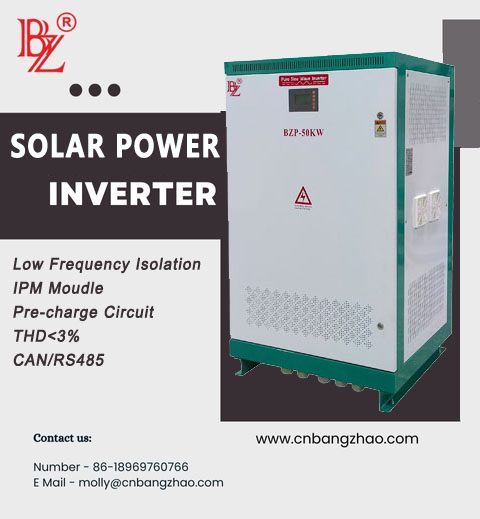
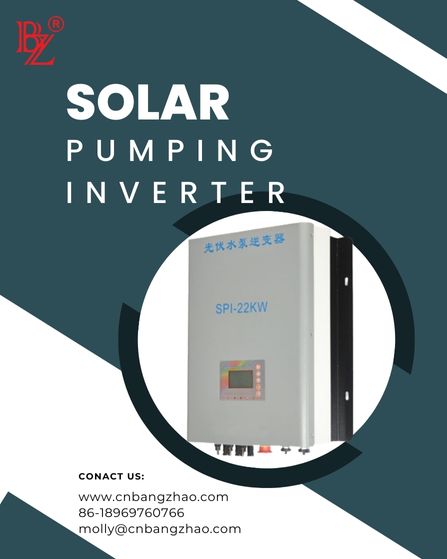
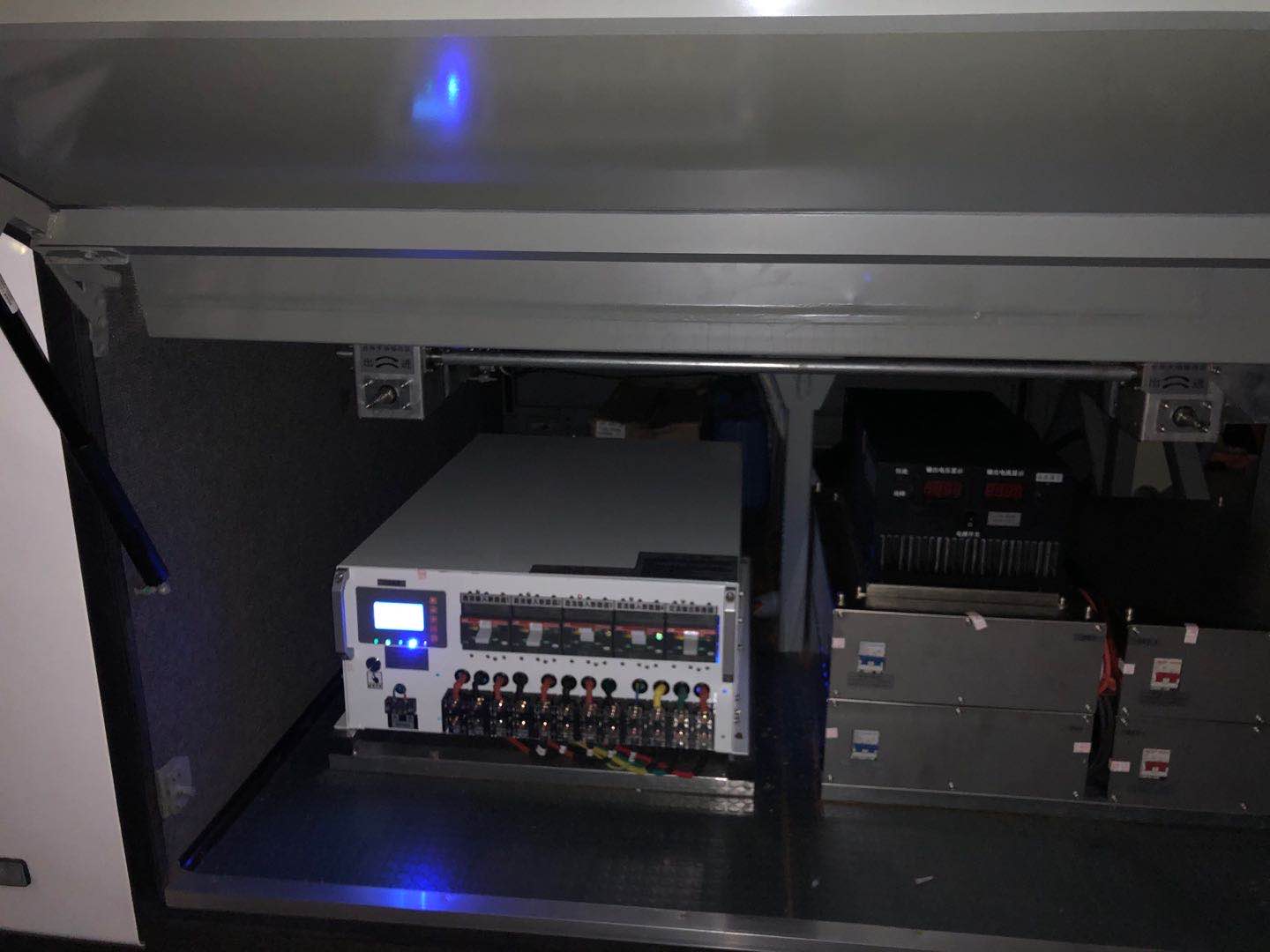
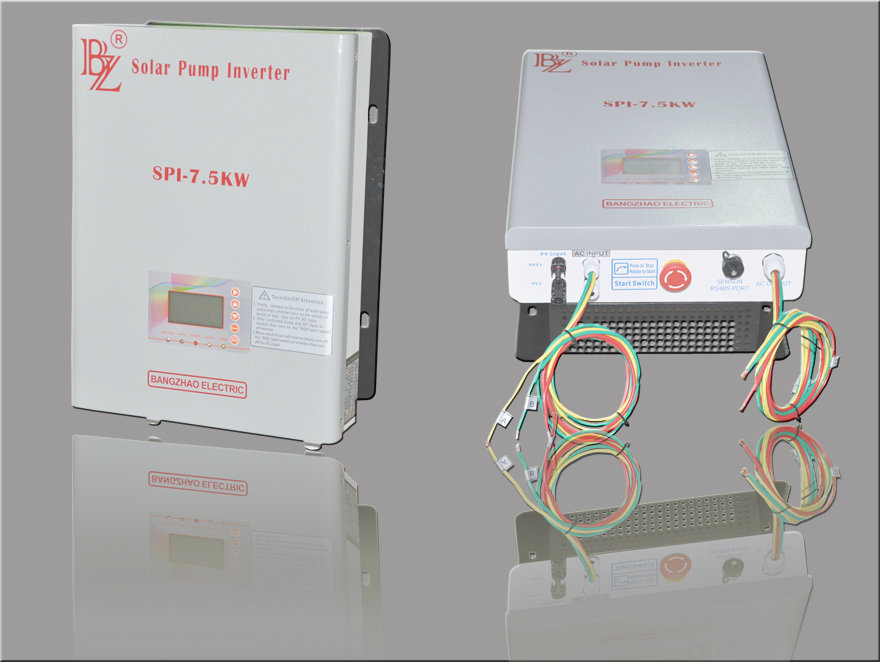
The operational principle of solar water pumping inverters can be summarised as a three-step conversion: “light-to-electricity-to-water”. Photovoltaic arrays absorb sunlight to generate direct current, which is intelligently converted by the inverter into the alternating current required by the water pump. Finally, the motor drives the pump to complete the water extraction process. This device employs Maximum Power Point Tracking (MPPT) technology to continuously optimise photovoltaic panel efficiency, achieving over 70% greater energy savings compared to conventional grid-powered systems. Its integrated intelligent control system supports remote monitoring and self-diagnostic fault detection, enabling users to view real-time power generation, water consumption and equipment status via a mobile application for unattended operation and maintenance.
Application Scenario: Green Coverage from Farmland to Grasslands
In Zhangye, Gansu, Mr Wang, a farmer utilising a solar-powered water pumping system across his ten-thousand-mu seed corn fields, calculated the savings: ‘Previously, diesel engines consumed 2,000 yuan monthly in fuel costs. Now, with photovoltaic panels and inverters installed, the initial investment of 12,000 yuan will pay for itself within three years.’ This technology has also delivered impressive results in Ningxia's Yanchi pasture water supply project. Photovoltaic-direct-drive pumps now provide drinking water for 2,000 sheep on grasslands 30 kilometres away, operating at just one-fifth the cost of traditional grid-powered systems.
In remote mountain villages of Yunnan's Nujiang region, solar pumping systems have become vital lifelines for water access. Local villager Auntie Li recounted: ‘We used to trek two kilometres up mountain paths to fetch water. Now we have a self-flowing well right outside our door. The solar panels generate power by day, and the pump shuts off automatically at night. We never have to worry about electricity bills.’
Dual Benefits for Ecology and Economy
Compared to traditional diesel engines or grid power, each solar pumping system reduces carbon dioxide emissions by approximately 15 tonnes annually—equivalent to the carbon sequestration effect of planting 800 mature trees. Economically, over a 10-year lifespan, a single system saves over £10,000 in electricity costs, with a payback period of just 3–5 years. Crucially, its plug-and-play design overcomes grid coverage limitations, enabling round-the-clock stable water supply for the first time in remote mountainous areas and islands without electricity.
Future Outlook: The Green Cornerstone of Smart Agriculture
Through deep integration with IoT technology, the new generation of Solar Pumping Inverters now features integrated photovoltaic-storage-direct-current-flexible functionality. At a modern agricultural park in Jiangsu, the photovoltaic-storage-direct-current pump system achieves intelligent dispatch of ‘power generation-storage-consumption’. Surplus electricity generated on sunny days is stored for use during overcast or rainy periods. Coupled with soil moisture sensors, it automatically adjusts pumping volume according to crop water requirements.
As industry experts observe: ‘Solar pumping inverters are not merely products of the energy revolution; they constitute the foundational infrastructure of smart agriculture. They transform every ray of sunlight into nourishing rain for the land, infusing rural revitalisation with an inexhaustible green energy source.’